
How a TPO Roofing Company Can Improve Your Roof’s Energy Efficiency
Choosing the right roofing system is a critical decision for any property owner, impacting everything from long-term durability to energy efficiency and maintenance costs. Among today’s most advanced options, TPO roofing stands out for its innovative composition and performance benefits. By combining flexibility, strength, and environmental advantages, TPO has become a go-to solution for both residential and commercial buildings. Understanding how it works—and why it continues to gain popularity—can help you make a more informed investment in your property’s protection and efficiency.
Composition of TPO Roofing
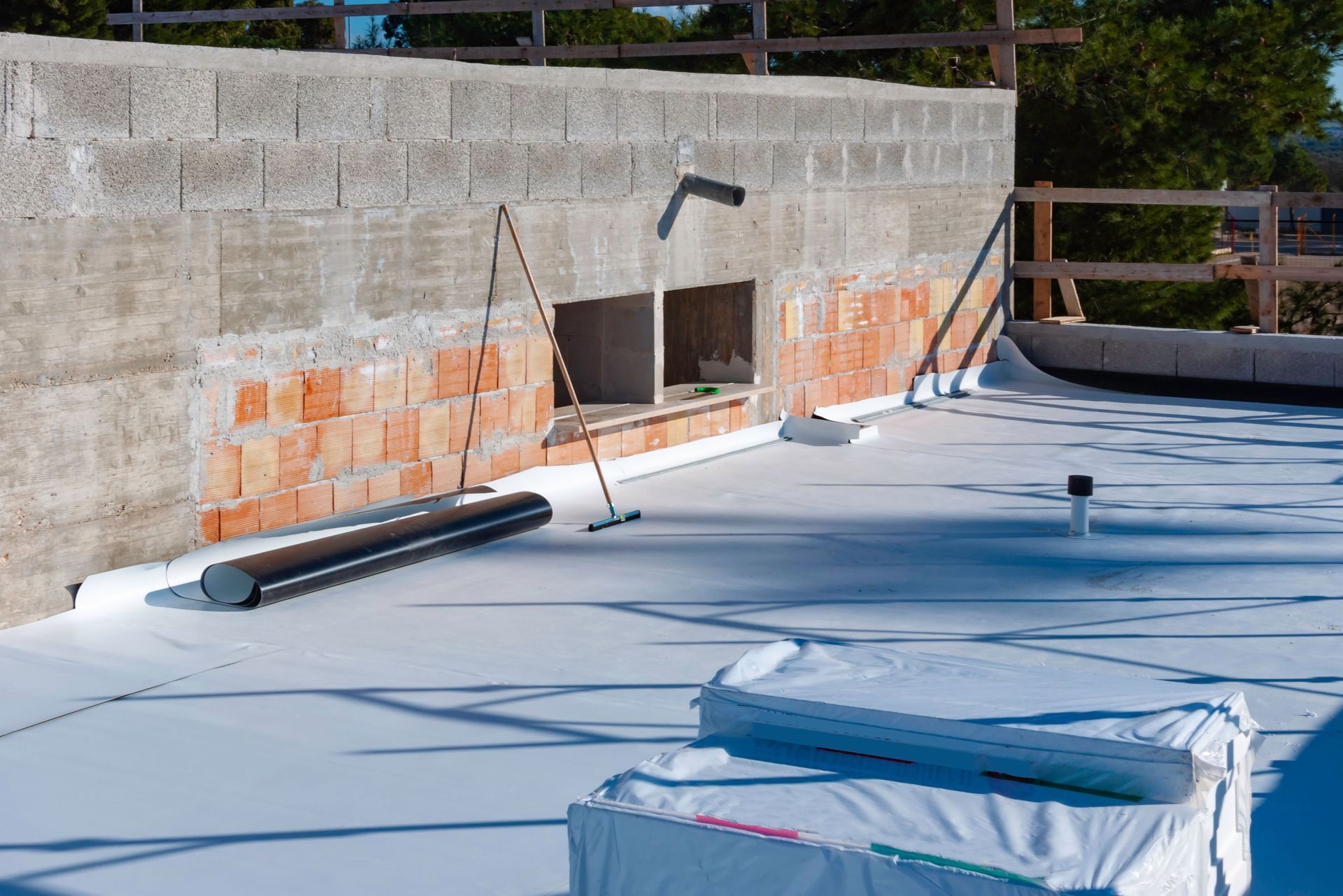
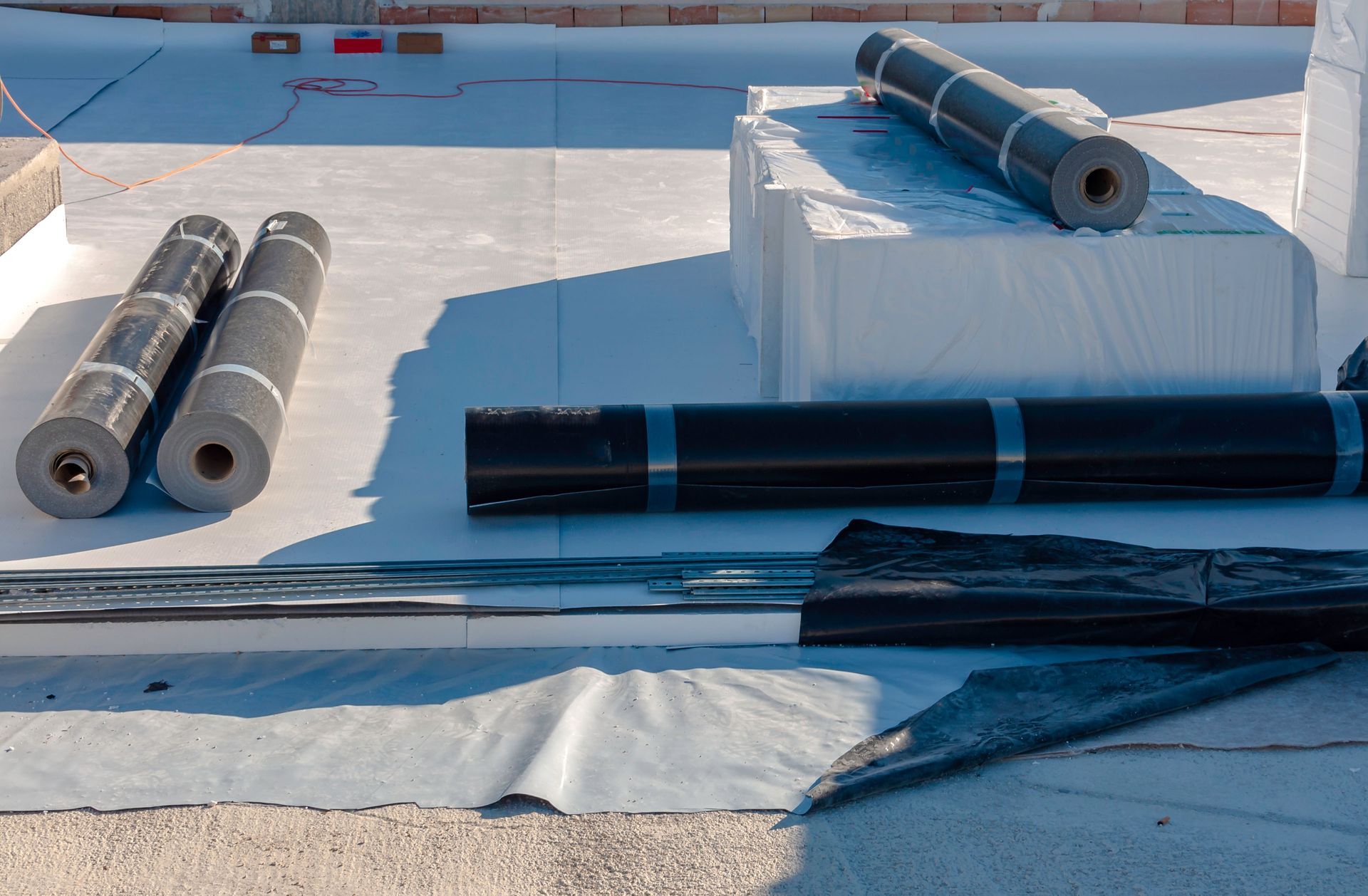
Thermoplastic Olefin (TPO) roofing is a single-ply roofing membrane composed primarily of polypropylene and ethylene-propylene rubber. It combines the durability of rubber with the versatility of plastic, resulting in a highly resilient material. TPO membranes are available in a variety of thicknesses, typically ranging from 40 to 100 mils. The seamless design and heat-welded seams of TPO roofing enhance its weather resistance, preventing leaks and water damage. Advanced manufacturing processes ensure that TPO maintains flexibility in various climates, making it an adaptable roofing option.
A TPO roofing company can include reinforcing fibers such as polyester, which add strength and puncture resistance. The composition also allows for customization, as it can be formulated to resist microbial growth and fire. Another significant component of TPO is the ultraviolet (UV) stabilizers, which protect the roof from sun damage and prolong its lifespan. This combination of materials and additives results in a roofing product that addresses both structural and aesthetic needs of a building. As a result, TPO has become increasingly popular for both commercial and residential applications.
Due to its material properties, a TPO roofing company is particularly advantageous in harsh climatic conditions. The inherent chemical composition allows it to withstand extreme temperatures without significant degradation. Moreover, TPO's resistance to ultraviolet radiation means less frequent repairs and maintenance, providing a cost-effective roofing solution over time. This durability factor underlines its reputation as a long-lasting choice, with roofs lasting between 15 and 30 years with proper care and routine maintenance, as noted by experts from ThisOldHouse. Therefore, understanding the composition of the TPO roofing company is crucial for anyone considering upgrading their roof with this innovative material.
Benefits of TPO in Energy Efficiency
One of the most significant benefits of TPO roofing is its energy efficiency, largely due to its reflective properties. TPO membranes are typically white and have a high solar reflectance index (SRI), which helps to reflect sunlight and reduce heat absorption. This reflects heat away from a building, reducing cooling costs during sunny months by maintaining lower indoor temperatures. In addition to immediate energy savings, the decreased need for air conditioning can significantly extend the life of HVAC systems. Consequently, buildings with TPO roofs exhibit reduced energy consumption and a smaller carbon footprint.
The environmental benefits of TPO are not limited to energy savings. TPO roofing company materials are 100% recyclable at the end of their service life, contributing to waste reduction. As sustainability becomes a primary consideration in construction, TPO offers a practical solution for environmentally conscious building owners. Additionally, the lack of chlorine in its composition makes TPO more environmentally friendly compared to traditional PVC roofing membranes. Therefore, TPO is not only an economically savvy choice but also aligns with green building practices.
Beyond energy savings and recyclability, the TPO roofing company also supports environmental sustainability through its reduced heat island effect. Urban areas typically experience higher temperatures due to reduced vegetation and the prevalence of heat-retaining surfaces. By using reflective TPO roofs, buildings can help mitigate this effect, contributing to more comfortable urban environments. Furthermore, the energy-efficient nature of a TPO roofing company can lead to fewer greenhouse gas emissions associated with electricity production. This reduces the overall environmental impact of using non-renewable energy sources, further cementing TPO as a smart choice for eco-friendly buildings.
Comparing TPO with Other Roofing Materials
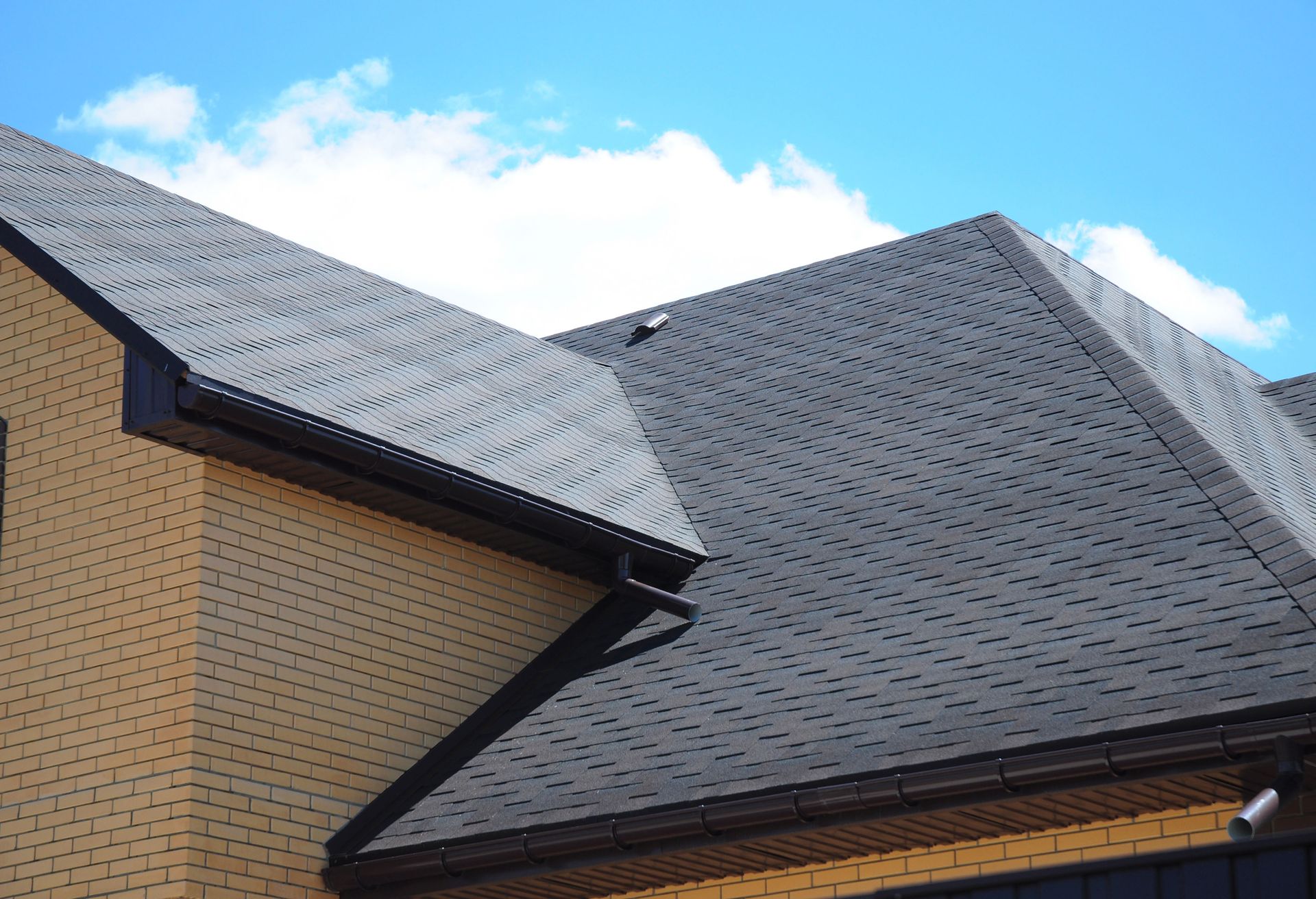
When evaluating TPO alongside other roofing materials, TPO’s energy efficiency and cost-effectiveness stand out. Compared to traditional materials like asphalt shingles or PVC, TPO offers superior reflectivity and energy savings due to its high solar reflectance index. Where asphalt shingles absorb heat, contributing to increased cooling costs, TPO reflects it, resulting in reduced energy bills over time. PVC, another common roofing material, may offer good reflectivity but is often more expensive and less environmentally friendly than TPO. This makes TPO an attractive alternative for building owners looking to optimize both financial and environmental budgets.
In terms of durability, TPO proves competitive against several traditional roofing materials. While asphalt roofs may last 12-20 years with frequent repairs, properly installed TPO roofs can last between 15 and 30 years, according to ThisOldHouse. Combined with low maintenance requirements, the longevity of TPO can offset the initial installation costs compared to cheaper materials that require more frequent replacement. Thus, TPO offers a balanced investment for those valuing long-term sustainability and durability.
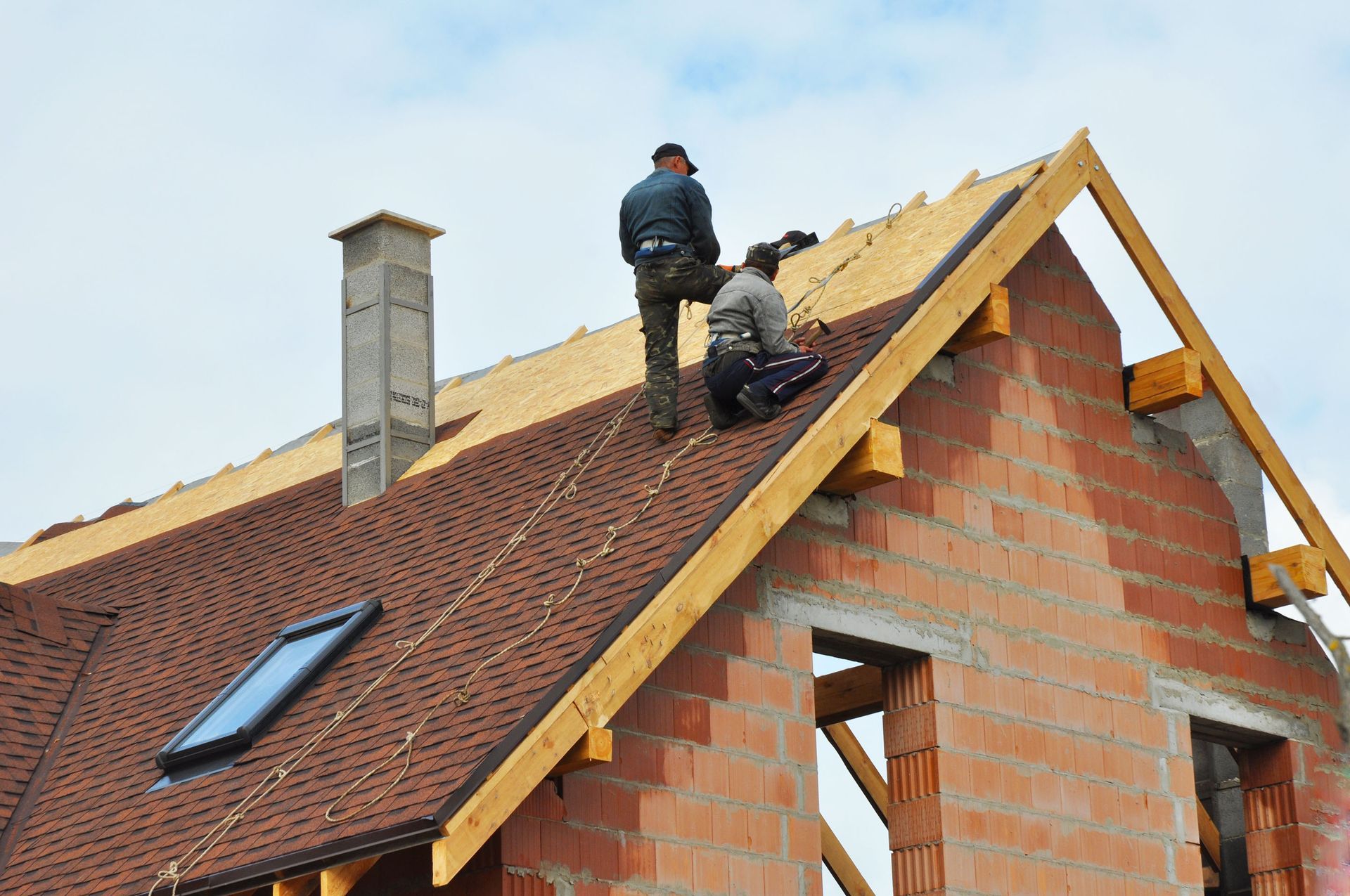
The installation and maintenance process also distinguishes TPO from other roofing options. TPO is manufactured in large sheets, which minimizes the number of seams and reduces the potential for water infiltration compared to smaller shingle-like materials. This advantage streamlines installation and minimizes future maintenance challenges, offering peace of mind to building owners. Moreover, TPO’s compatibility with various sealing and fastening technologies ensures robust installation under diverse conditions, further enhancing its appeal over traditional options. This comprehensive suite of benefits positions TPO as a superior choice in the competitive roofing market.
Lifespan and Durability of TPO Roofs
The lifespan and durability of TPO roofs are significant selling points for building owners seeking long-term investments. TPO roofs are known for their resistance to tears, punctures, and impact damage, ensuring minimal repair needs over their lifetime. TPO's ability to withstand UV exposure without deterioration also contributes to its longevity, allowing it to perform reliably in diverse climatic conditions. As with any roofing system, proper installation and maintenance are key to maximizing its lifespan. Routine inspections and maintenance are recommended to detect and address minor issues before they escalate into significant problems.
According to ThisOldHouse, TPO roofing generally lasts between 15 and 30 years with proper care and routine roof maintenance. This remarkable lifespan is a testament to TPO’s resilience against harsh weather conditions and general wear and tear. Periodical inspections and timely repairs ensure that the roofing membrane maintains its structural integrity and performance. Moreover, TPO's strong resistance to chemical exposure and microbial growth further enhances its durability in various settings, from industrial facilities to residential buildings. Therefore, investing in TPO can lead to fewer replacements and lower lifecycle costs.
Beyond the physical attributes, TPO roofs can enhance overall building sustainability. The extended lifespan implies that fewer roofing materials will end up in landfills over time, aligning with waste reduction goals. Additionally, TPO's recyclability at the end of its life emphasizes its role in sustainable construction practices. The combined durability and recyclability aspects make TPO a forward-thinking choice for those committed to long-lasting, environmentally responsible roofing solutions. Consequently, TPO stands as a leader in balancing durability, performance, and sustainability in the roofing industry.
When compared to traditional roofing materials, it consistently proves to be a cost-effective and environmentally responsible option. If you’re considering upgrading your roof, now is the perfect time to explore whether TPO is right for your property. Contact A Bartlett Roofing & Construction Services, LLC today to schedule an inspection and discover how TPO roofing can enhance your building’s performance and value for years to come.

Share On: