
4 Myths About TPO Roofing That You Shouldn’t Believe
TPO (Thermoplastic Olefin) roofing is becoming increasingly popular due to its energy efficiency and affordability. Despite its growing use, there are many myths surrounding this roofing option that can mislead property owners. This article aims to debunk the most common myths associated with TPO roofing, providing clarity and factual information. Understanding the realities of TPO roofing can guide property owners towards making informed decisions about their roofing needs. By exploring these myths thoroughly, we'll uncover the true potential and benefits of TPO roofing for both commercial and residential applications. Many property owners rely on a TPO roofing contractor to navigate these decisions effectively.
1. TPO Roofing Is Not Durable
1.1 Understanding TPO Material Composition
TPO roofing is often misunderstood regarding its durability due to misconceptions about its material composition. In reality, TPO is crafted from a blend of polypropylene and ethylene-propylene rubber, which contributes significantly to its resilience. These components provide TPO with a stable framework that is highly resistant to UV radiation, a common cause of deterioration in other roofing materials. Additionally, TPO membranes are manufactured with additives that enhance their strength, allowing them to withstand punctures and tears. As a result, TPO roofing is designed to endure various environmental challenges, offering a robust solution for property owners who may work with a TPO roofing contractor for added guidance.
1.2 Comparing Longevity With Other Roofing Materials
When comparing longevity, TPO roofing holds its own against other popular materials such as EPDM and PVC. According to industry studies, TPO roofing can last between 10 and 25 years, similar to these traditional options. The inherent resistance to various weather conditions ensures that TPO remains intact and functional over extended periods. Even when faced with harsh climates, TPO maintains its structural integrity, unlike some alternatives that may require frequent repairs. Therefore, TPO offers a competitive lifespan, making it a reliable choice for both commercial and residential applications.
1.3 Case Studies on TPO Durability
Numerous case studies have demonstrated the impressive durability of TPO roofing in demanding environments. For instance, buildings located in areas with intense sun exposure and frequent storms have showcased TPO's ability to sustain performance. These real-world scenarios highlight that TPO roofing is not only durable but also adaptable to various geographic conditions. The material's strength has been proven repeatedly, refuting the myth of its supposed fragility. Thus, informed property owners continue to trust TPO for projects where durability is paramount, often consulting a TPO roofing contractor for expert recommendations.
2. TPO Roofing Is Not Limited to Commercial Buildings
2.1 Residential Applications of TPO Roofing
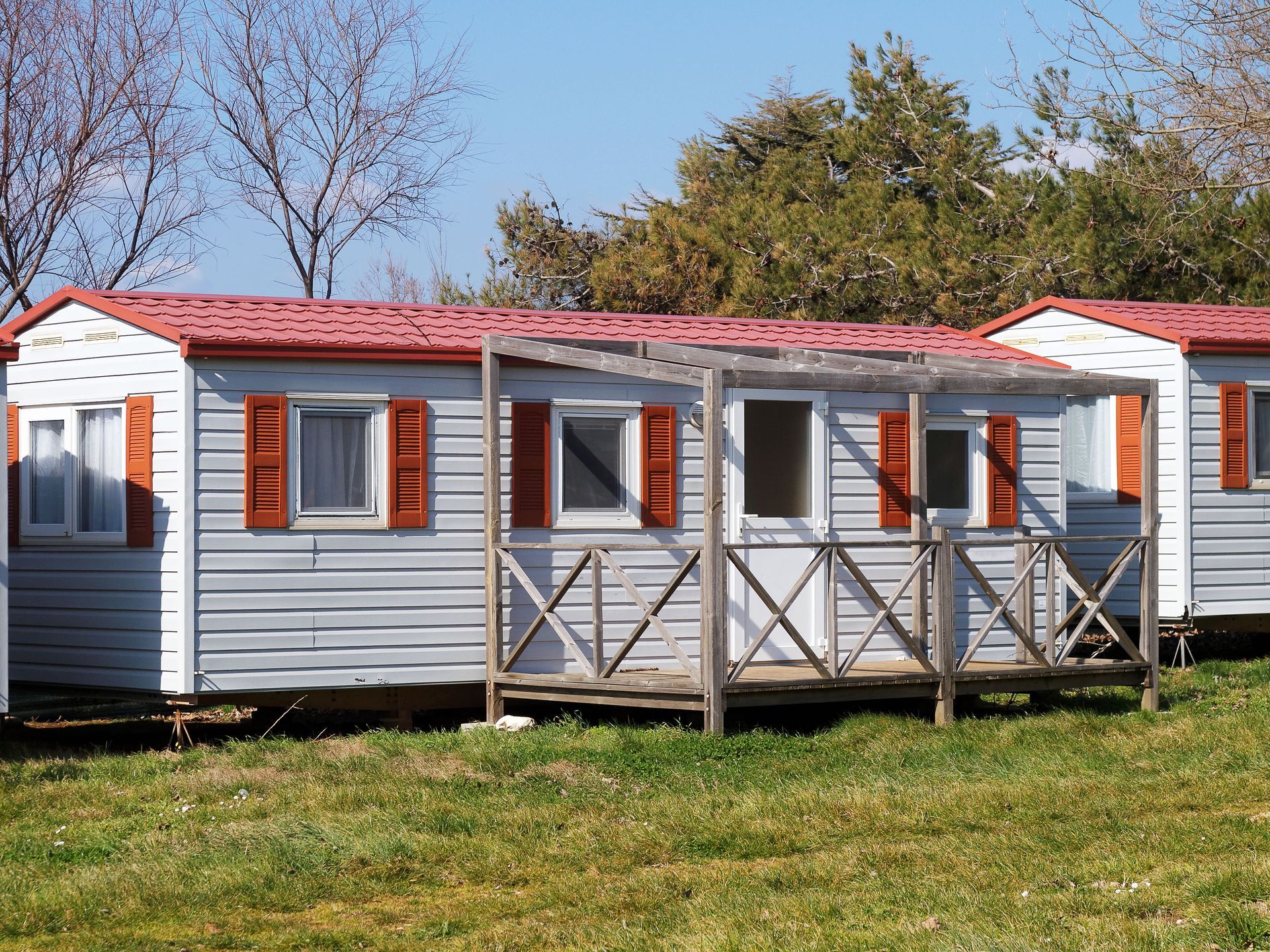
It is a common misconception that TPO roofing is suited exclusively for commercial buildings. While TPO has long been favored in commercial applications, it is increasingly making its way into the residential sector. Homeowners appreciate TPO for its cost-effectiveness and energy efficiency, hallmarks of its commercial success. As residential projects demand sustainable solutions, TPO emerges as a feasible option that aligns with contemporary housing needs. Hence, understanding its applicability extends benefits to broader market segments than previously assumed.
2.2 Design Flexibility for Residential Projects
The versatility of TPO roofing in design makes it an attractive choice for residential properties. TPO membranes are available in various colors and styles, allowing them to blend seamlessly with different architectural aesthetics. This flexibility enhances curb appeal, ensuring that homes equipped with TPO roofing maintain their unique appearance. Designers and architects value TPO for its adaptability, which supports creative roofing solutions without compromising on performance. Consequently, this debunks the myth of TPO being limited to utilitarian, commercial applications.
2.3 Energy Efficiency in Homes
One of the significant benefits of TPO roofing within residential settings is its energy efficiency. Known for its reflective surface, TPO reduces heat absorption, leading to lower cooling costs during warmer months. This energy efficiency directly contributes to improved indoor comfort and significant savings on energy bills. Property owners can expect an eco-friendly roofing solution that meets both environmental goals and budget constraints. Therefore, TPO is not just a commercial option; it is, in fact, an ideal roofing choice for conscientious homeowners who may consult a TPO roofing contractor to optimize performance.
3. TPO Roofing Is Environmentally Friendly
3.1 Recyclability of TPO Membranes
Another myth that needs demystifying is the belief that TPO roofing is not environmentally friendly. In truth, TPO membranes are designed with recyclability in mind, thus contributing to sustainability efforts. At the end of their lifecycle, TPO roofs can be reprocessed and reused in the production of new roofing materials. This capability reduces landfill waste, highlighting TPO's role in promoting a circular economy. Through recycling initiatives, TPO roofing aids in minimizing its environmental footprint significantly.
3.2 Energy Performance and Reflectivity
The energy performance and high reflectivity of TPO contribute to its environmental benefits. The reflective properties of TPO roofing help in mitigating heat absorption, leading to a reduction in energy demand for cooling purposes. As such, TPO roofs play an integral role in decreasing the overall urban heat island effect. Consequently, the installation of TPO contributes to healthier ecosystems and enhances energy conservation efforts. These aspects underline the green credentials of TPO, contradicting the misconceptions surrounding its environmental impact.
3.3 Green Building Certifications
TPO roofing materials are compatible with various green building certifications such as LEED and Energy Star. Projects incorporating TPO can achieve higher ratings due to the material’s contribution to energy efficiency and sustainability. Many TPO manufacturers have received acknowledgment for producing materials that align with stringent eco-friendly standards. By using TPO, builders and property owners can meet certification requirements, demonstrating their commitment to environmental stewardship. This clarity helps dispel myths and fosters informed choices about integrating eco-friendly solutions in building projects.
4. TPO Roofing Is Not Difficult to Install
4.1 TPO Installation Methods
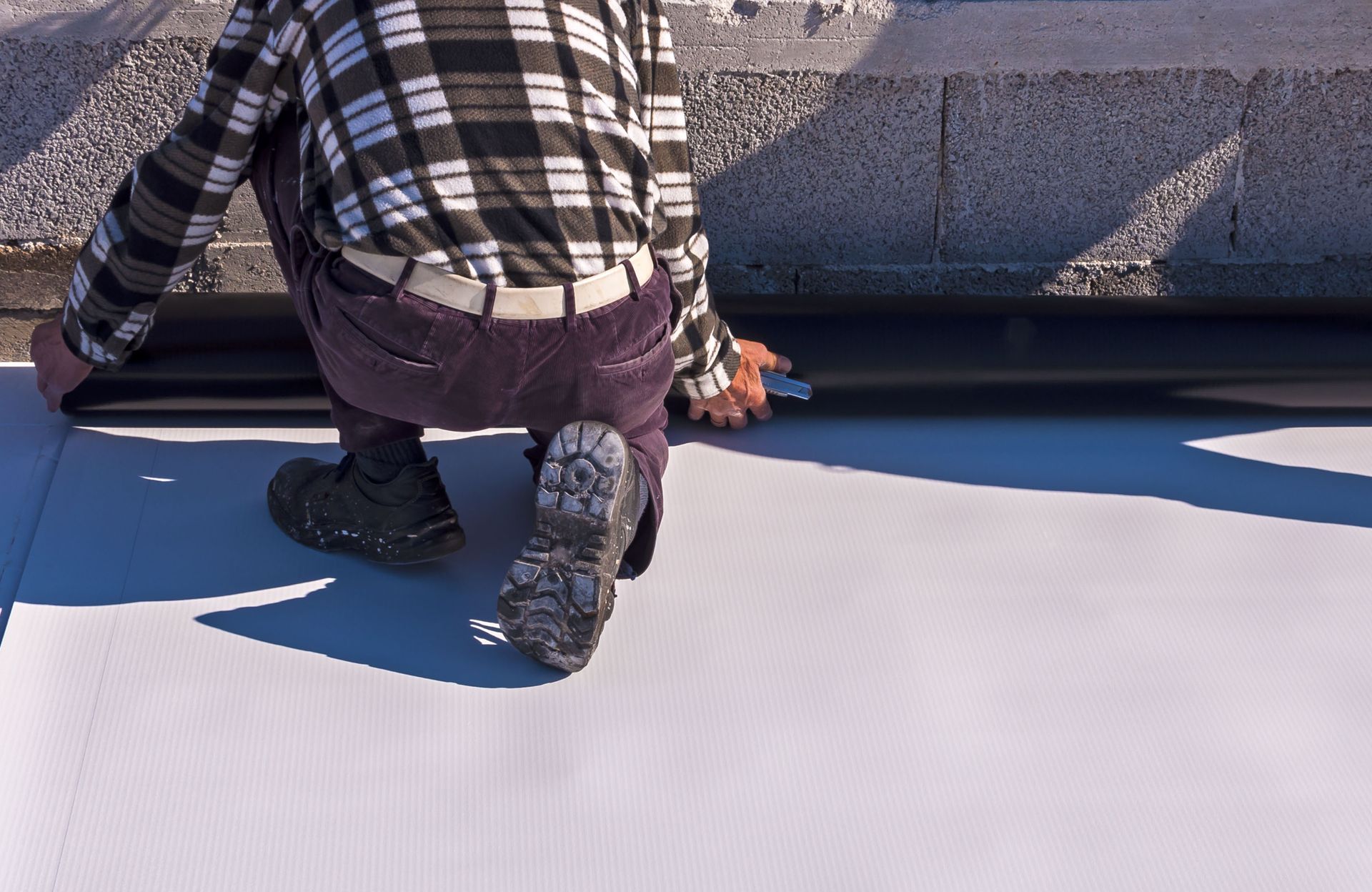
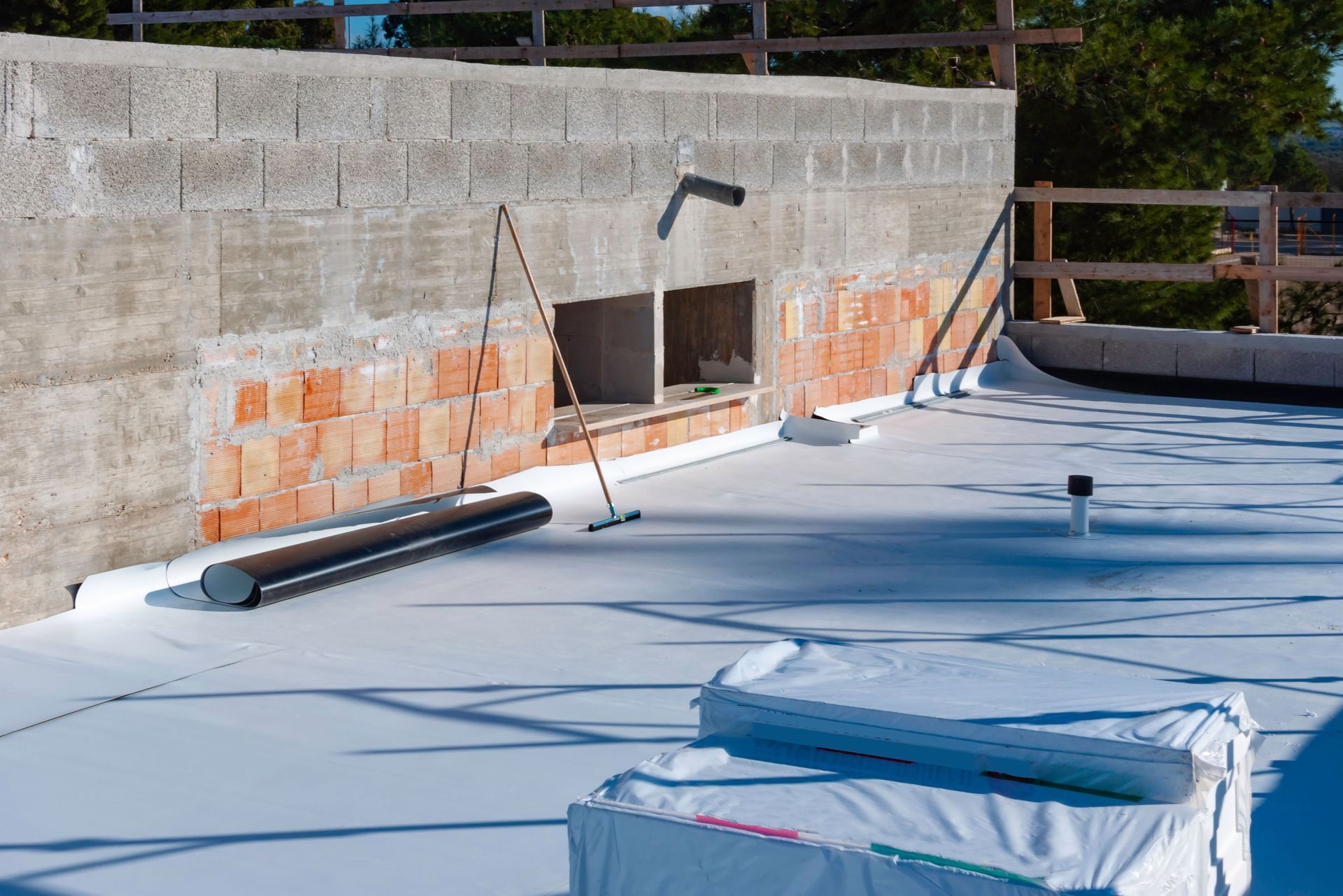
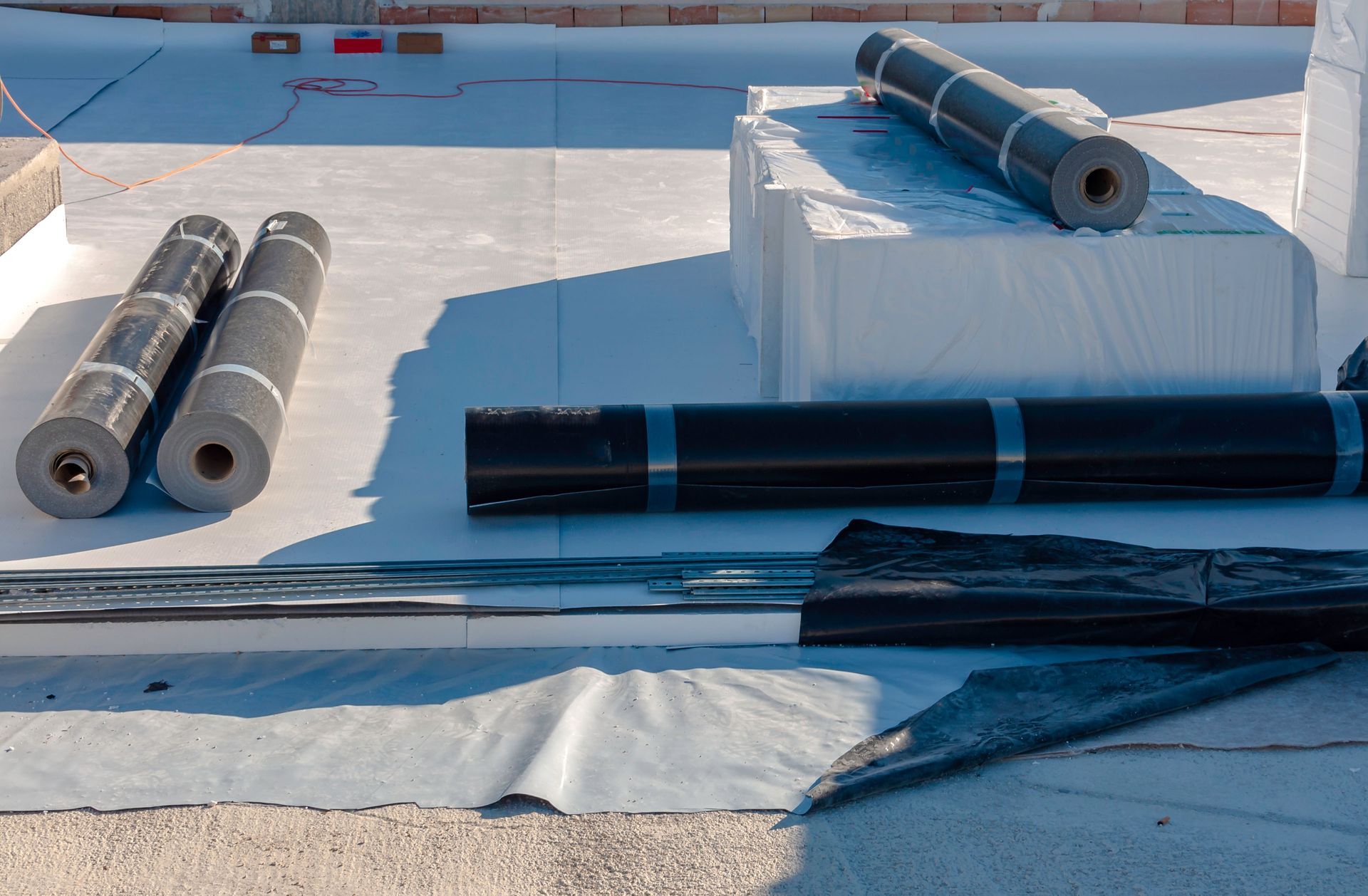
Contrary to popular belief, installing TPO roofing is not an exceedingly complex process. Installers can leverage various techniques, such as mechanical attachment and fully adhered systems, to secure TPO membranes efficiently. These methods are straightforward and ensure sound membrane performance with minimal hassle. TPO's ease of installation is a contributing factor to its popularity, as it supports quick deployment without sacrificing quality. By employing validated installation practices, the myth of difficulty is readily debunked, benefiting contractors and property owners alike.
4.2 Training and Certification of Installers
Roofing professionals seeking to work with TPO can access extensive training programs to gain expertise. Manufacturers often provide certifications that assist installers in mastering TPO application techniques. These qualifications assure property owners that their TPO roofs are installed by competent, knowledgeable professionals. Not only does this engender trust, but it also significantly enhances the end result by reducing the likelihood of errors. As the roofing industry evolves, skilled and certified installers champion the integration of TPO as a viable, uncomplicated roofing option.
4.3 Installation Timeline Compared to Other Materials
When comparing installation timelines, TPO emerges as a time-efficient roofing option. The simplicity of its attachment methods means that TPO roofing can be completed in much less time than that required for traditional materials. This rapid installation results in reduced labor costs and minimal disruption to property operations. By implementing quick and efficient processes, TPO roofing offers undeniable advantages in project timelines. Addressing this misconception reveals the responsive nature of TPO to modern construction demands. According to HomeGuide, thermoplastic polyolefin (TPO) roofing is energy-efficient, easy to install, and lasts between 10 and 25 years. A knowledgeable TPO roofing contractor can further expedite and optimize the installation process.
While myths about TPO roofing are pervasive, it's essential to rely on factual information when making roofing decisions. By addressing these misconceptions, property owners can make informed decisions, appreciating the durability, environmental benefits, and cost-effectiveness that TPO roofing offers. The insights provided here endeavor to clarify complex notions surrounding TPO roofing, reinforcing its relevance across varied projects. If you're looking for a TPO roofing contractor, make sure to get in touch with A Bartlett Roofing & Construction Services, LLC today! Choosing a reliable TPO roofing contractor ensures you receive long-term value and professional installation.

Share On: