
6 Signs Your Mobile Home's Roof Needs Immediate Repairs
Maintaining a mobile home roof is essential for protecting the overall structure and ensuring long-term safety. Because mobile homes are built to remain lightweight and affordable, their roofs may be more vulnerable to environmental stress. Weather, temperature shifts, and even minor installation issues can accelerate wear, making early detection crucial. When small issues go unnoticed, they often evolve into more extensive damage that compromises both comfort and structural stability.
1. Identify Visible Structural Damage
Visible structural issues are some of the earliest signs that a roof may require mobile home roof repairs. Cracks, warping, or missing materials typically develop after prolonged exposure to harsh weather conditions or fluctuating temperatures. Even minor cracks can expand over time as roofing materials repeatedly heat and cool, allowing moisture to penetrate and weaken the surface.
Other visible concerns—such as curled or missing shingles—often signal that the roof’s outer layer is no longer effectively safeguarding the home. Shingles may warp after long exposure to heat or humidity, causing them to lift and leave gaps. Missing shingles leave the roof deck vulnerable, allowing rain and debris to accumulate.
A bowed or sagging roof surface is another critical indicator. Sagging usually results from insufficient internal support or the long-term weight of debris and moisture. If the roofline dips or buckles, it may reflect compromised structural elements beneath the surface. These areas can worsen rapidly, especially during heavy rainfall. Homeowners should schedule an evaluation as soon as sagging appears to prevent the risk of collapse or major structural failure.
2. Detect Signs of Water Damage
Water damage is a leading reason homeowners seek mobile home roof repairs. When the roof’s protective barrier fails, moisture infiltrates the interior and quickly reveals itself through visible stains. Discolored spots on ceilings or upper walls typically appear after storms or prolonged rainfall. These stains indicate that water is bypassing the roofing layer and seeping into the home’s structural components. Even if the visible stain appears minor, the underlying damage may be far more extensive.
Another common interior sign of roof damage is peeling or bubbling paint. Paint detaches when moisture accumulates behind the surface, signaling a persistent leak. Although cosmetic repairs may temporarily hide the issue, only thorough roof repairs can eliminate the source of moisture and prevent ongoing deterioration. Addressing this condition promptly helps protect insulation, wall materials, and indoor air quality.
Moist conditions that go unresolved often lead to mold or mildew growth. Mobile homes are particularly susceptible because compact layouts allow humidity to spread quickly. Mold presents serious health risks, especially for individuals with allergies or respiratory sensitivities. It thrives in areas where roof leaks allow moisture to remain trapped. Identifying mold growth early—and completing roof repairs to stop further water entry—helps restore a safe and healthy living environment.
3. Recognize Energy Efficiency Problems
An unexpected rise in energy bills can be a subtle but reliable indicator that a roof is no longer performing as it should. When gaps, cracks, or worn materials allow air to escape, the home’s heating and cooling systems must work harder to maintain comfortable temperatures. This strain often results in noticeable spikes in monthly utility expenses. If energy use increases without an obvious explanation, the roof may be contributing to heat loss or excessive heat gain.
Poor insulation performance frequently accompanies roof issues. When the roof membrane or decking deteriorates, insulation may become damp, compressed, or uneven. Compromised insulation fails to regulate indoor temperatures effectively, leaving certain rooms drafty or overly warm. Addressing the roof problems behind these fluctuations provides long-term improvements in comfort and lowers energy consumption.
Cold drafts drifting through living areas can further indicate that the roof’s seal has weakened. Drafts may result from hidden leaks, material shrinkage, or faults around roof openings such as vents. While applying interior sealants may temporarily reduce air movement, only proper mobile home roof repairs can restore the roof’s full protective function. Eliminating drafts enhances comfort and reduces energy waste throughout the year.
4. Evaluate Roof Age and Wear Patterns
The age of a roofing system plays a major role in determining when mobile home roof repairs are needed. With time, even well-maintained roofs weaken due to constant exposure to sunlight, rain, and temperature fluctuations. As materials reach the end of their lifespan, they lose flexibility, making them more prone to cracking, peeling, or warping. This natural aging process is often accelerated in mobile homes because their lightweight construction can place greater strain on roofing components.
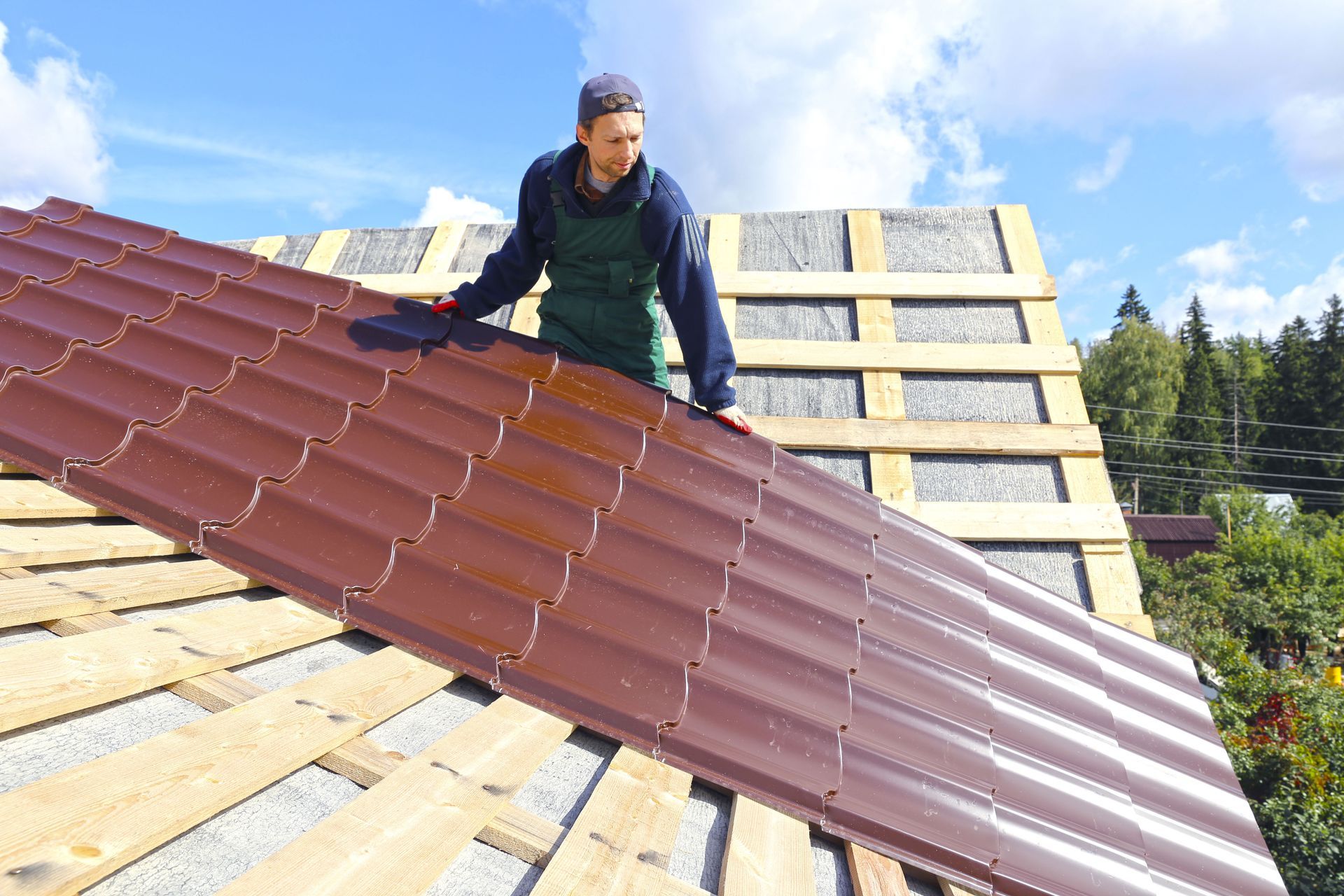
Understanding how long your roof is expected to last helps guide maintenance decisions. For instance, metal roofing—while more expensive than other materials—can last significantly longer, with longevity ranging from 30 to 80 years according to HomeGuide, making it a durable option for long-term protection. Referencing the roof’s age when signs of wear appear helps homeowners determine whether repair or replacement is the more economical choice.
Every roofing material exhibits unique strengths and vulnerabilities. Rubber membranes, metal panels, and asphalt shingles behave differently under stress. Knowing which material covers your mobile home helps inform the types of mobile home roof repairs needed and the best long-term strategies for upkeep and replacement.
5. Address Pest and Wildlife Intrusion
Pest activity on or near the roof should prompt an immediate inspection. Birds, rodents, and other animals often seek out warm, sheltered spaces, making small gaps or weakened materials ideal entry points. When pests nest within roofing layers, they can cause insulation damage, chew through protective coatings, and introduce moisture through the debris they leave behind. If nests or burrows become visible, repairs should be scheduled quickly to seal openings and prevent ongoing intrusion.
Chewed materials—such as torn vapor barriers, shredded insulation, or gnawed roof edges—are further signs that pests have found their way into the roofing system. Even small holes created by rodents can lead to significant water intrusion during storms. Coordinating both pest control and mobile home roof repairs ensures that entry points are eliminated and future infestations are discouraged.
Increased insect activity often indicates that the roof has developed openings or cracks wide enough to allow access. These gaps may not be immediately noticeable, especially if they form under overhangs or along seams. Addressing insect intrusion requires identifying all vulnerabilities and reinforcing the roof to create a fully sealed environment. Protecting the home against pests preserves comfort, reduces structural risks, and extends the life of the roofing system.
6. Respond to Sagging or Buckling Roof Sections
Visible dips, buckling, or uneven rooflines often signal serious structural concerns requiring prompt mobile home roof repairs. Sagging areas typically develop when internal supports weaken or when moisture damages the roof deck, causing materials to soften. Once sagging begins, water tends to pool in the affected area, accelerating wear and increasing the likelihood of leaks or collapse.
Assessing the integrity of roof supports is another crucial step. Support beams may deteriorate over time due to moisture exposure, pest activity, or shifting structural loads. If beams weaken, they may fail to distribute weight properly, leaving the roof vulnerable during adverse weather. Routine inspections help uncover early signs of stress and allow homeowners to address issues before they escalate into costly repairs.
Heavy loads—such as accumulated snow—can also create downward pressure that leads to buckling or sagging. Because mobile home roofs are generally lighter than those of traditional homes, they may be more susceptible to this strain. Proper reinforcement and regular debris removal reduce the risk of damage from excess weight and help maintain the longevity of the roofing system.
Recognizing the early signs that a mobile home roof requires attention is essential for maintaining safety, comfort, and value. Visible structural damage, moisture issues, rising energy costs, pest intrusion, and structural sagging all point to developing problems that should never be ignored. By identifying issues promptly and scheduling mobile home roof repairs as soon as concerns arise, homeowners can protect their investment and significantly extend the lifespan of the roofing system. For professional support, contact us at A Bartlett Roofing & Construction Services, LLC to help you take the next step toward securing your home with reliable, timely service.
Share On: